

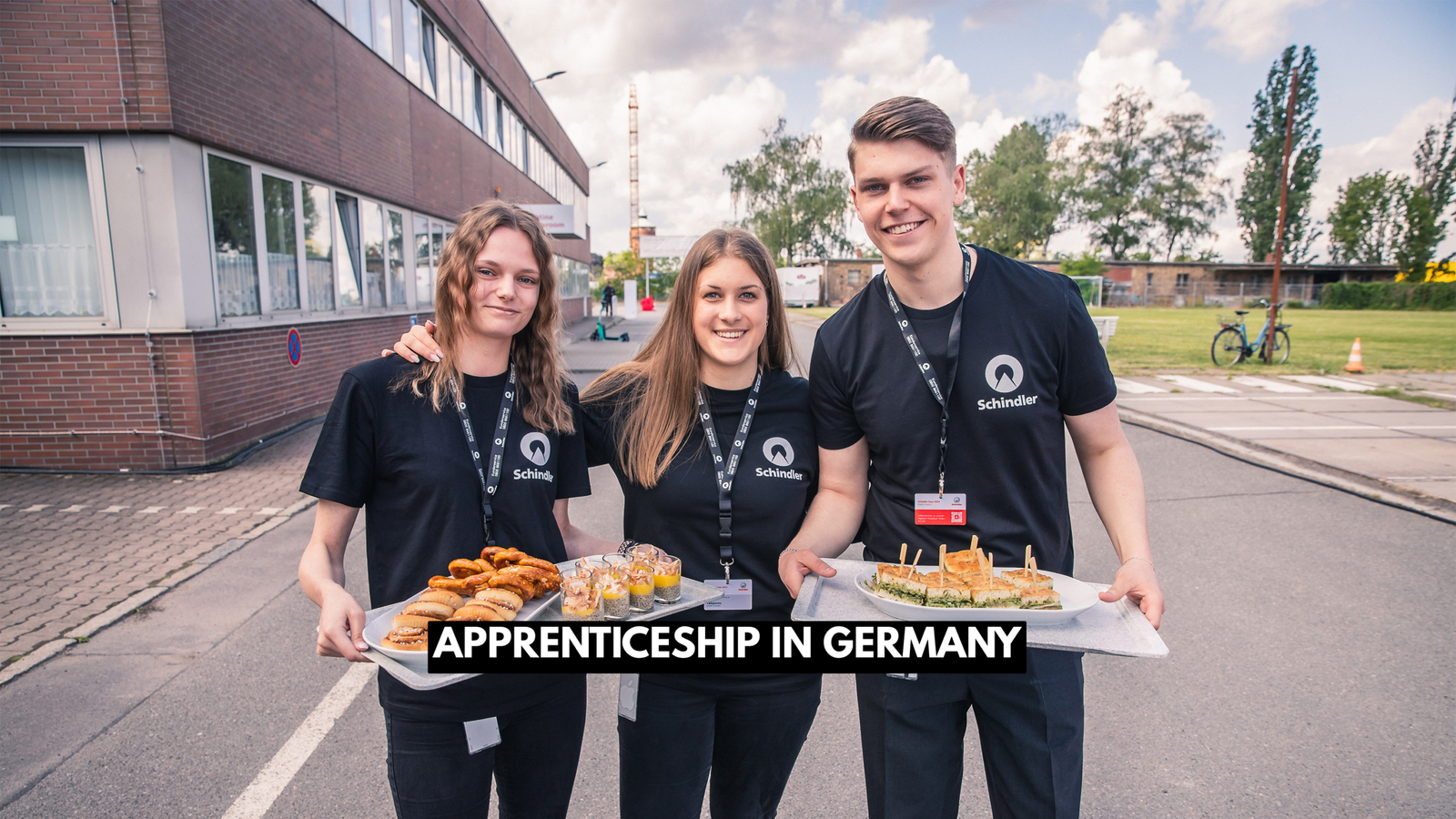
The apprenticeship in Germany system, also known as Ausbildung, is one of the most respected vocational education models in the world. It combines real workplace training with classroom education, allowing students to learn a profession in a practical and structured way. Instead of only studying theory, learners actively work in companies while gaining professional skills that prepare them for real jobs.
Many international students are now choosing the apprenticeship in Germany pathway because it offers a unique combination of earning and learning at the same time. It is also considered one of the most reliable routes to enter the European job market, especially in industries where skilled workers are in high demand.
Meaning and Structure of Apprenticeship
The concept of Ausbildung is based on a dual training system. In this model, students divide their time between a company and a vocational school. At the company, they learn practical job tasks under supervision, while at school they study theoretical knowledge related to their profession.
This system ensures that learners do not just memorize information but actually apply it in real working environments. Because of this structure, Germany is known for producing highly skilled professionals in fields like engineering, healthcare, IT, automotive mechanics, and business administration. Every training program is designed in cooperation with industries, making graduates job-ready from the moment they finish.
Age and Eligibility Requirements
One of the strongest advantages of the apprenticeship in Germany system is its flexibility in age requirements. There is no strict upper age limit, which means both young students and adults can apply depending on their qualifications and motivation.
Most apprentices are between 16 and 20 years old, especially German school graduates. However, many international applicants between 20 and 30 years old also successfully join these programs. Even candidates above 30 can be accepted if they meet the requirements and show strong interest in the profession.
To apply, candidates usually need a secondary school certificate and basic German language skills, typically at B1 or B2 level depending on the job field.
Salary and Financial Benefits
Another important feature of the apprenticeship in Germany is that it is a paid training program. Unlike many education systems where students pay tuition fees, apprentices receive a monthly salary from their employer.
In the first year, apprentices usually earn between €700 and €1,200 per month. This increases in the second year, and by the final year, earnings can reach up to €1,500 per month depending on the company and industry. While this is not considered a full professional income, it is usually enough to cover basic living expenses, especially when living in shared accommodation.
Lifestyle of Apprentices
Life during training is structured and disciplined. Apprentices usually follow a weekly schedule where they spend part of the week working in a company and the remaining days attending vocational school. This balance helps them develop both practical and theoretical skills at the same time.
Daily life often starts early, especially in technical or healthcare fields. Apprentices are treated as part of the workforce, which helps them develop professional habits from the beginning. Many live in shared apartments or student housing, while some stay with family if they are local residents.
Personal Details: Family, Height, and Background
It is important to understand that the apprenticeship in Germany is not a person, so it does not have personal attributes like family, siblings, or physical appearance. However, individual apprentices come from different backgrounds, and their personal lives vary widely.
There are no requirements related to height or physical appearance. Employers focus only on skills, motivation, education, and language ability. This makes the system fair and accessible to people from all backgrounds.
Social Media and Online Presence
The apprenticeship in Germany system itself does not have personal social media accounts because it is an educational structure, not an individual or celebrity. However, companies offering apprenticeship positions often use websites and social media platforms to share job openings and training opportunities.
Government education portals also provide official and reliable information for applicants. These platforms help students understand requirements, available professions, and application procedures in a clear and organized way.
Career Opportunities After Training
After completing vocational training, graduates receive a recognized qualification that is highly respected in Germany and across Europe. Many students immediately start working full-time in the same company where they completed their training.
Salaries after finishing the program are significantly higher, often ranging from €2,500 to €4,000 or more per month depending on the profession. Fields like IT, healthcare, and engineering offer some of the best long-term career growth opportunities.

Application Process for Students
Applying for the apprenticeship in Germany requires preparation and planning. The first step is choosing a suitable profession based on interest and long-term goals. After that, learning the German language becomes essential because most companies require at least B1 or B2 level communication skills.
Applicants must prepare documents such as a CV, school certificates, and sometimes a motivation letter. These documents are then sent directly to companies or through job portals. If selected, candidates attend interviews and sign an official training contract, which is also required for visa applications.
Requirements for International Applicants
For international students, requirements include a valid passport, educational qualifications, and German language proficiency. In some cases, financial proof may also be required during the visa process.
Germany values discipline, commitment, and willingness to learn. Academic grades are important, but motivation and long-term dedication often play a bigger role in selection.
Benefits and Challenges
The apprenticeship in Germany offers many benefits, including earning while learning, gaining real-world experience, and securing a recognized qualification. It provides a direct path to employment and long-term career stability.
However, challenges also exist. Learning German can be difficult, and the work-study schedule can feel strict. Adjusting to a new culture and professional environment may also take time. Despite these challenges, many students find the system highly rewarding in the long run.
Final Thoughts
The apprenticeship in Germany system is a powerful combination of education and practical training. It allows students to build strong professional skills while earning a salary and gaining real-world experience.
Although people often search for personal details like age, height, family, or social media, these do not apply because it is not a person but an educational system. Its true value lies in creating skilled professionals and opening strong career opportunities for the future.
FAQs
Q: What is apprenticeship in Germany?
A: Apprenticeship in Germany is a dual training program where students learn a profession through practical work in a company and theory in a vocational school.
Q: Is apprenticeship in Germany paid?
A: Yes, apprenticeship in Germany is paid training, and apprentices earn around €700 to €1,500 per month depending on the year and job field.
Q: What age is required for apprenticeship in Germany?
A: There is no strict age limit, but most apprenticeship in Germany applicants are between 16 and 30 years old.
Q: Do I need German language for apprenticeship in Germany?
A: Yes, most apprenticeship in Germany programs require at least B1 or B2 level German for communication and study.
Q: Can foreigners apply for apprenticeship in Germany?
A: Yes, international students can apply for apprenticeship in Germany if they meet education, language, and visa requirements.
