

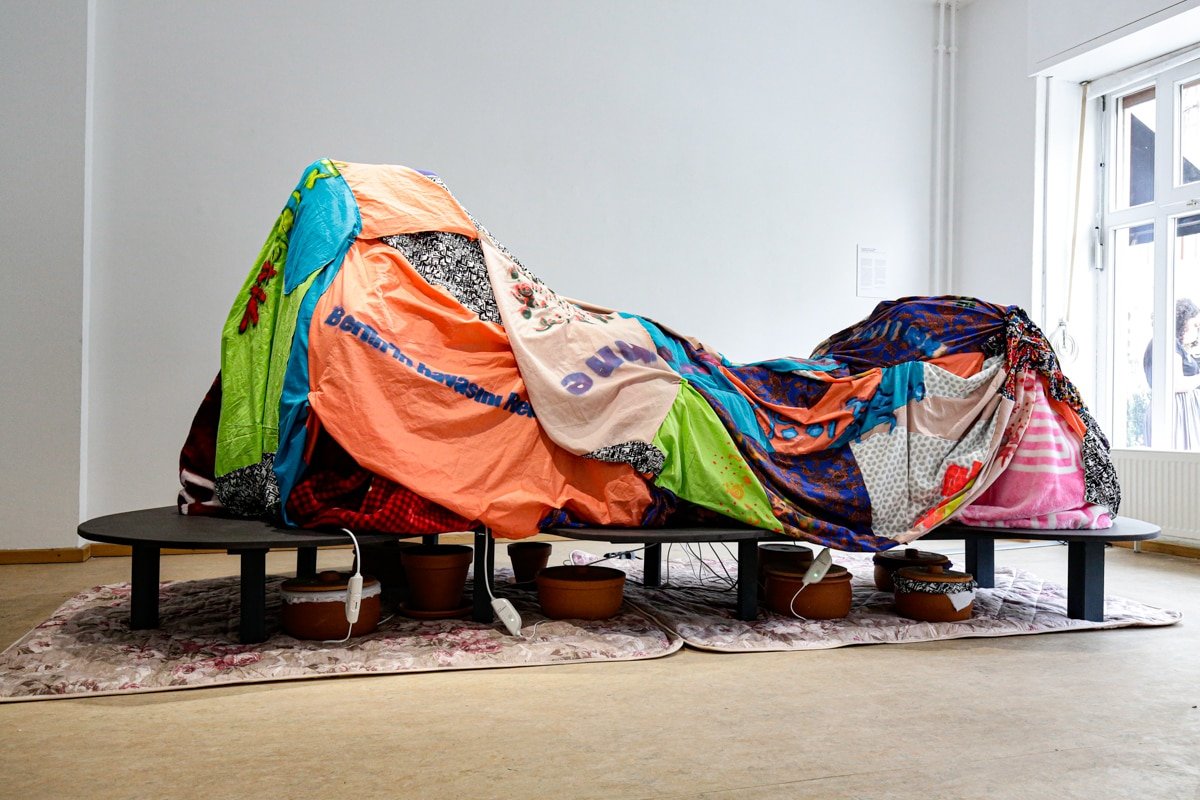
A Quiet Space in Berlin with a Strong Voice
Art Laboratory Berlin is not a typical gallery or museum. It is a long-running independent platform in Berlin that connects contemporary art with scientific thinking. Founded in 2006, it has developed into a respected space where artists, researchers, and scientists meet to explore ideas that often sit between disciplines.
Unlike commercial art spaces, Art Laboratory Berlin focuses on experimentation rather than sales or popularity. It has become known for exhibitions that explore biology, ecology, technology, and the invisible systems that shape life. Over time, it has built a strong identity as a research-driven cultural institution.
The space itself is modest compared to large museums, but its influence reaches far beyond its physical walls. Many of its projects are developed in collaboration with universities and international research networks, making it part of a wider global conversation about art and science.
Founding Vision and Early Direction
When Art Laboratory Berlin was established in 2006, its goal was clear: to create a platform where art could interact directly with scientific research. The founders, Regine Rapp and Christian de Lutz, envisioned a space that would challenge the boundaries between creative expression and academic investigation.
In its early years, the platform focused on small experimental exhibitions and workshops. These events often involved emerging artists working with biological materials, digital systems, and philosophical concepts. Instead of presenting finished artworks only, the institution encouraged process-based and research-oriented work.
This approach helped Art Laboratory Berlin stand out in Berlin’s already vibrant art scene. While many galleries focused on market-driven art, this platform focused on questions—how life works, how technology reshapes perception, and how humans relate to non-human systems.
Concept of Art and Science Collaboration
One of the defining features of Art Laboratory Berlin is its deep commitment to interdisciplinary collaboration. Artists working here often collaborate with scientists from fields such as microbiology, neuroscience, physics, and environmental studies.
This collaboration is not symbolic. In many projects, scientific methods are actively used as part of the artistic process. For example, biological samples, data visualization, and laboratory techniques may become part of the final artwork or exhibition experience.
In projects similar to Matter of Flux, the focus is often on change, transformation, and invisible processes. These exhibitions explore how matter behaves, how systems evolve, and how human perception can be expanded through artistic interpretation of scientific ideas.
Through this method, Art Laboratory Berlin becomes more than an exhibition space. It acts as a laboratory in the real sense—where testing, observing, and questioning are central activities.
Exhibitions and Research Themes
Over the years, Art Laboratory Berlin has developed a wide range of exhibitions and long-term research projects. Many of them focus on living systems, digital environments, and ecological transformation.
Themes often include microbial life, artificial intelligence, environmental change, and hybrid systems where natural and technological elements interact. These exhibitions are not designed for passive viewing; instead, they encourage reflection and curiosity.
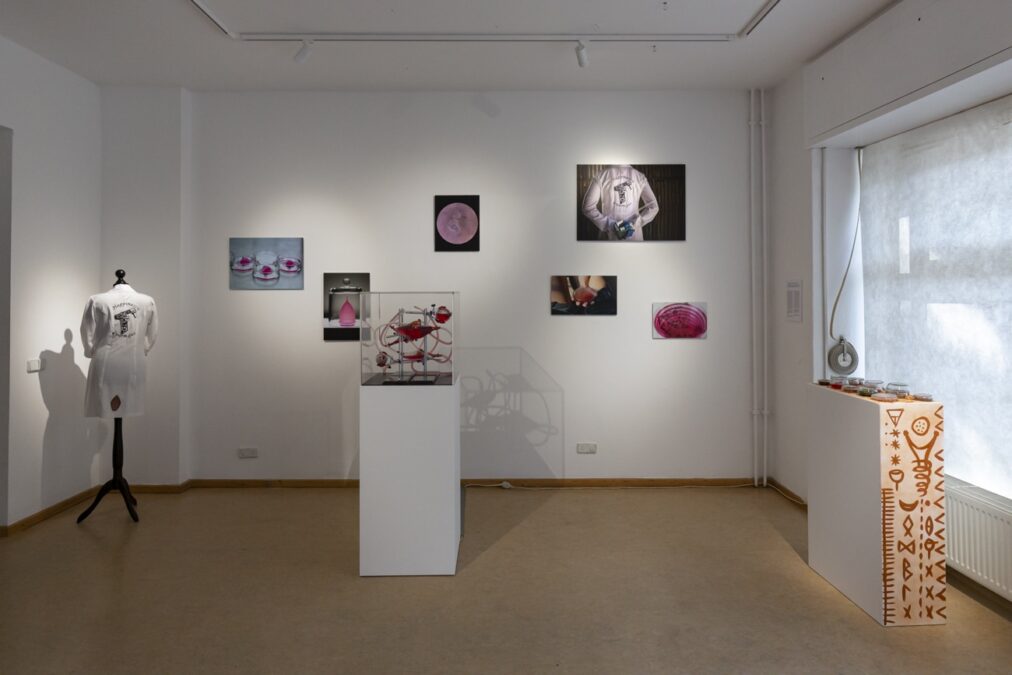
Visitors often encounter installations that combine visual art with scientific data, sound environments, or interactive systems. The goal is not only to present information but to create experiences that shift how people think about life and matter.
The exhibition style is usually minimal and focused, allowing the ideas behind the work to take center stage. This helps create an atmosphere where visitors can engage deeply with complex concepts without distraction.
Structure, Team, and Human Side
Although the name suggests a laboratory, Art Laboratory Berlin is built on human collaboration. The core founders, Regine Rapp and Christian de Lutz, continue to play an active role in curating and guiding its direction.
Around them is a flexible team of curators, researchers, designers, and guest collaborators. This structure allows the institution to adapt to different projects and research needs.
In terms of “personal profile” details such as age, height, family, or physical appearance, these are not relevant to the institution itself. However, the founders are experienced cultural professionals with long careers in curatorial practice and interdisciplinary art research.
As a non-profit organization, Art Laboratory Berlin does not operate like a corporate entity. There is no “net worth” in the commercial sense. Instead, it is supported through cultural funding, research grants, and institutional partnerships. Its value lies in its intellectual and cultural contribution rather than financial measures.
Public Presence and Digital Identity
In today’s digital world, Art Laboratory Berlin maintains a strong but focused online presence. Its official website serves as the central archive for exhibitions, publications, and ongoing research projects.
Social media platforms such as Instagram and Facebook are used mainly to share updates about exhibitions, events, and collaborations. Unlike commercial art pages, the content is more educational and research-oriented rather than promotional.
The platform also publishes documentation of its projects, allowing global audiences to engage with its work even if they cannot visit Berlin physically. This digital accessibility has helped it build an international reputation within the contemporary art and research community.
Lifestyle of the Institution
Describing a “lifestyle” for Art Laboratory Berlin is unusual, but it can be understood as a rhythm of continuous research and experimentation.
The institution operates through cycles of exhibitions, workshops, and collaborative research programs. Each project can take months or even years to develop, involving both artistic creation and scientific input.
Unlike fast-paced commercial galleries, this platform values slow thinking and long-term exploration. The working environment encourages discussion, testing ideas, and revising concepts based on new findings.
This approach gives the institution a unique identity—one that feels closer to a research institute than a traditional art gallery.
Influence and Cultural Importance
Over nearly two decades, Art Laboratory Berlin has contributed significantly to the development of art-science practices in Europe. It has helped shape a generation of artists who work beyond traditional boundaries.
Its influence can be seen in how contemporary art increasingly engages with environmental issues, biotechnology, and digital systems. Many of these ideas were explored early within its exhibitions and research programs.
By supporting experimental work, it has also provided a platform for artists who might not fit into commercial art markets. This has helped diversify the voices and methods within contemporary art practice.
Conclusion:
Art Laboratory Berlin continues to stand as a unique cultural institution where art is not separated from science, but deeply connected to it. It represents a way of thinking that values curiosity, experimentation, and collaboration.
Rather than focusing on traditional metrics like fame or financial success, it focuses on knowledge creation and shared exploration. In this sense, it remains a “living laboratory” where ideas are constantly tested and reimagined.
As contemporary culture continues to evolve, spaces like Art Laboratory Berlin play an important role in expanding how we understand art, science, and the world around us.
FAQs
Q: What is Art Laboratory Berlin?
A: Art Laboratory Berlin is a non-profit art and research platform in Berlin focused on combining contemporary art with science and technology.
Q: When was Art Laboratory Berlin founded?
A: Art Laboratory Berlin was founded in 2006 as an independent space for experimental art and research.
Q: Who founded Art Laboratory Berlin?
A: Art Laboratory Berlin was founded by Regine Rapp and Christian de Lutz to promote art-science collaboration.
Q: What type of work does Art Laboratory Berlin present?
A: Art Laboratory Berlin presents exhibitions and projects focused on biology, ecology, AI, and interdisciplinary research.
Q: Is Art Laboratory Berlin a commercial gallery?
A: No, Art Laboratory Berlin is
