

Introduction
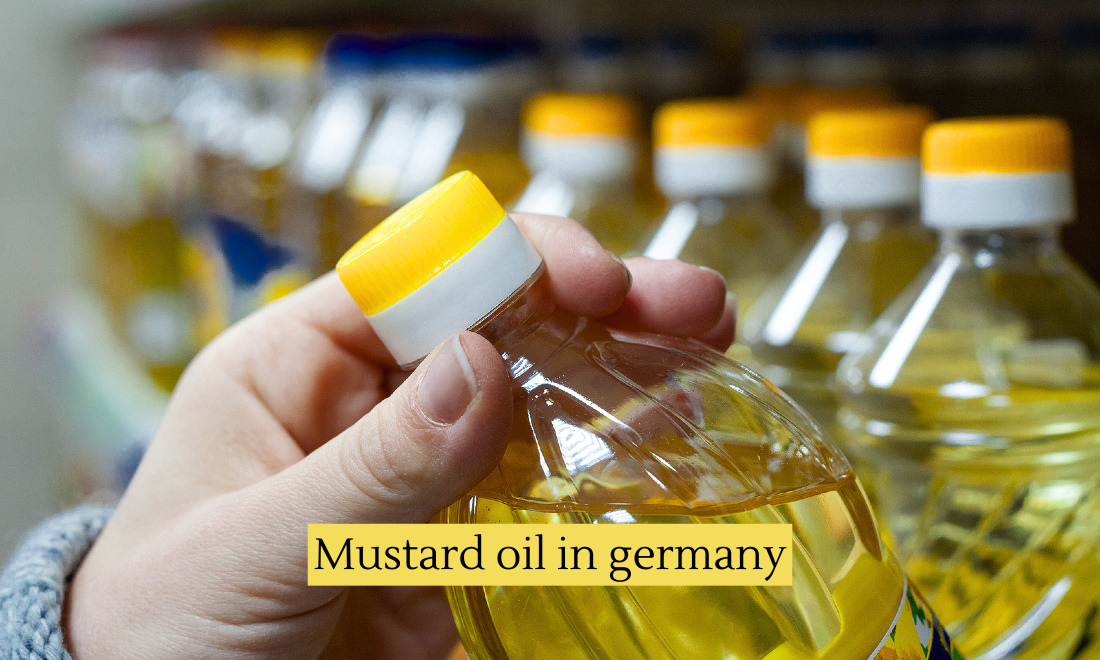
“Mustard oil in Germany” has a long history in South Asian households and traditional cooking systems. In recent years, it has also gained attention in Germany due to increasing migration, cultural diversity, and global food exchange. Many people search for “mustard oil in Germany” to understand whether it is available, whether it is legal to use, and how it fits into everyday cooking habits in Europe.
Unlike commonly used oils in Germany such as sunflower oil or rapeseed oil, mustard oil stands out because of its strong smell, sharp taste, and deep cultural importance. It is not just a cooking ingredient but also part of traditional lifestyle practices in countries like India, Pakistan, and Bangladesh. However, in Germany, its presence is limited and regulated, making it a special but controversial product in the food market.
What Mustard Oil Actually Is
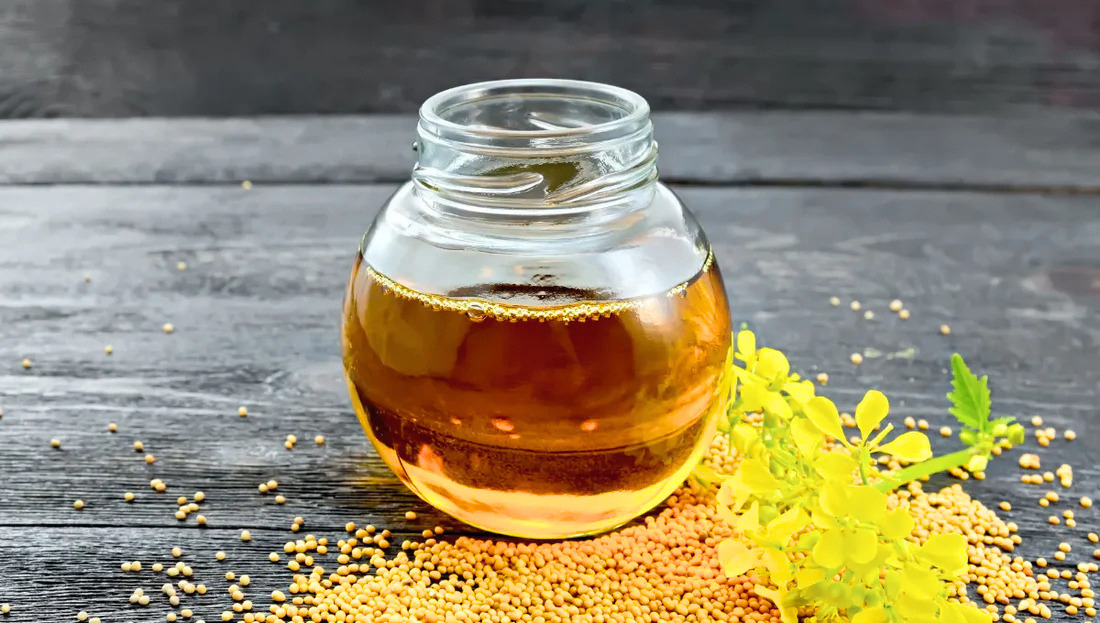
Mustard oil is extracted by crushing the seeds of the mustard plant. The result is a strong, yellowish oil known for its pungent aroma and high heat resistance. In South Asian cooking traditions, it is widely used for frying, preparing curries, and making pickles. Its strong flavor is often considered essential for authentic regional taste.
There are two main types of mustard oil used globally. The first is cold-pressed mustard oil, which is made using traditional methods without heavy processing. This type is commonly used in cooking and also in massage and skincare practices in South Asia. The second type is refined mustard oil, which is processed to reduce its strong smell and sharpness while maintaining its basic characteristics.
The oil naturally contains compounds such as erucic acid and allyl isothiocyanate. These compounds give mustard oil its unique taste and smell. While they are responsible for its culinary identity, they are also the reason behind strict regulations in several Western countries, including Germany.
Presence of Mustard Oil in Germany
In Germany, mustard oil is not a mainstream kitchen product. It is not commonly found in regular supermarkets or used in traditional German cooking. However, it does exist in small but consistent quantities within ethnic and immigrant communities.
Most of the demand comes from South Asian families living in German cities like Berlin, Frankfurt, Hamburg, and Munich. These communities continue to use mustard oil because it is deeply connected to their food culture and traditional cooking methods. For them, replacing it completely would change the taste and identity of their dishes.
Mustard oil is usually available in specialty stores that sell Indian, Pakistani, or Bangladeshi food products. It is also sometimes found through online import shops. However, availability can vary depending on import regulations and labeling restrictions.
| Category | Details |
|---|---|
| Name | Mustard Oil |
| Type | Natural vegetable oil |
| Source | Mustard seeds |
| Availability in Germany | Limited, ethnic stores & online shops |
| Legal status | Restricted for cooking use (EU rules) |
| Common use | External use, traditional cooking (limited) |
| Key concern | High erucic acid content |
| Alternatives | Rapeseed oil, sunflower oil, olive oil |
| Popular among | South Asian communities in Germany |
| Market type | Niche/imported product |
Legal Status in Germany and Europe
The legal status of mustard oil in Germany is one of the most important aspects of its existence in the market. Under European Union food safety regulations, mustard oil is restricted for human consumption due to its natural chemical composition, especially its erucic acid content.
Erucic acid is a naturally occurring fatty acid found in mustard seeds. In high amounts, it has been linked to potential health concerns in animal studies, particularly related to heart health. Because of this, European food safety authorities have taken a precautionary approach and limited its use as a standard edible oil.
In Germany, mustard oil is often sold with labels stating that it is for external use only or not intended for cooking. This means that while it is not completely banned, its use in food preparation is restricted under regulatory guidelines.
Why It Is Restricted
The restriction on mustard oil is mainly based on health safety standards rather than cultural or culinary rejection. European food regulations are very strict when it comes to compounds that may pose long-term health risks, even if the evidence is not fully conclusive for humans.
Another reason is the availability of safer alternatives. Oils like olive oil, sunflower oil, and rapeseed oil are widely available in Germany and meet all EU safety standards. Rapeseed oil, in particular, is often considered the closest alternative in terms of cooking performance, even though it does not match the strong flavor of mustard oil.
It is also important to understand that mustard oil has been used safely in South Asia for centuries. However, regulatory systems in Europe follow a different risk assessment model that prioritizes caution and long-term safety data.
Market Demand and Availability
Even with restrictions, mustard oil still has a stable niche market in Germany. The demand is mainly driven by immigrant communities who prefer traditional cooking methods. While the market size is small compared to other oils, it remains consistent and steady.
Most mustard oil in Germany is imported from countries like India and Pakistan. It enters the country through ethnic grocery chains or specialized import distributors. Because of import taxes, limited supply, and regulatory labeling requirements, mustard oil is usually more expensive than standard cooking oils.
Despite these limitations, its continued presence in the market reflects Germany’s growing multicultural food landscape and the demand for authentic international ingredients.
Cooking Use in Daily Life
In households that use mustard oil, it plays a very important culinary role. It is commonly used in cooking traditional dishes such as lentil curries, vegetable stir-fries, meat recipes, and pickles. Its strong aroma is considered essential for achieving authentic South Asian flavors.
However, due to legal and health restrictions, many users in Germany adapt their cooking practices. Some people mix mustard oil with approved oils to reduce its intensity, while others use it only in small amounts. In many cases, families substitute it with rapeseed oil or sunflower oil when mustard oil is not available.
Even with these adjustments, many people feel that no other oil can fully replace the distinctive taste of mustard oil.
External and Lifestyle Uses
In Germany, mustard oil is more commonly accepted for non-food purposes. It is often used in traditional wellness practices such as hair oiling, scalp massage, and skincare routines. These uses are especially common among South Asian communities who follow cultural beauty traditions passed down through generations.
Some people believe mustard oil helps improve hair strength and blood circulation. While these beliefs are widely held in traditional systems like Ayurveda, scientific evidence remains limited. Still, it continues to be used as part of natural care routines in many households.
Because of European regulations, mustard oil sold for external use may differ slightly in composition compared to traditional edible versions.
Health Perspective
From a health perspective, mustard oil has both traditional benefits and modern concerns. It is often associated with natural wellness practices and contains fatty acids that are considered beneficial in small amounts. However, its high erucic acid content is the main reason for regulatory caution in Europe.
Health authorities in Germany generally recommend using approved cooking oils for daily consumption. These include olive oil, sunflower oil, and rapeseed oil, which are considered safe and well-researched.
This does not mean mustard oil is unsafe in all situations, but rather that its long-term dietary use is not recommended under EU guidelines.
Alternatives in Germany
Because of restrictions and limited availability, many households in Germany use alternative oils for cooking. Rapeseed oil is one of the most popular choices because it is locally produced and widely available. It also has a neutral taste that works well in most recipes.
Other commonly used oils include olive oil, sunflower oil, and grapeseed oil. These oils are widely accepted in both home cooking and the food industry across Germany.
While none of these fully replicate the taste of mustard oil, they provide safe and practical alternatives that fit European dietary standards.
Cultural Importance
Mustard oil is not just a cooking ingredient; it carries deep cultural meaning for many families living in Germany. For people from South Asian backgrounds, it represents home, tradition, and identity. Cooking with mustard oil helps maintain a connection to cultural roots even while living abroad.
This emotional and cultural connection is one of the main reasons why mustard oil continues to be imported and used despite restrictions. It is part of food heritage, not just a kitchen product.
Misunderstood as a “Profile”
A common misunderstanding appears when people search for “mustard oil in Germany” as if it were a person. Some expect details such as age, height, family, net worth, or social media accounts.
However, mustard oil is not a human being or celebrity. It does not have a personal profile. It is a natural product derived from mustard seeds, and its details are related to production, usage, regulation, and cultural importance rather than personal life.
Conclusion
Mustard oil in Germany represents a mix of tradition, regulation, and global cultural exchange. While it is not widely used in mainstream German cooking, it remains important for many immigrant households. Its restricted status reflects European food safety policies, particularly concerns about erucic acid content.
Despite limitations, mustard oil continues to be valued for its unique flavor and cultural significance. Its presence in Germany shows how global food habits evolve while still preserving traditional identity.
FAQs
Q: Is mustard oil in Germany legal for cooking?
A: Mustard oil in Germany is restricted for regular cooking because of EU food safety regulations.
Q: Where can I buy mustard oil in Germany?
A: Mustard oil in Germany is available in South Asian grocery stores and online ethnic markets.
Q: Why is mustard oil in Germany controversial?
A: Mustard oil in Germany is debated due to its erucic acid content and health regulation concerns.
Q: What are the common uses of mustard oil in Germany?
A: Mustard oil in Germany is mainly used for traditional cooking, massage, and hair care practices.
Q: What is the best alternative to mustard oil in Germany?
A: Rapeseed oil is considered one of the best alternatives to mustard oil in Germany for cooking.
